
Finding Resilience in the Water: The Inspiring Journey of Michele Kupfer
Sometimes the greatest victories in sport have nothing to do with medals. For Michele Kuvin Kupfer, swimming has always been more than a race against the clock. It has been a place of belonging, an escape, a source of confidence, and ultimately, a way back to herself.
Her story is one of resilience, loss, and rediscovery. From a promising young athlete chosen to represent Israel at the Olympic Games to facing personal and mental health challenges, Michele’s journey shows how sport can heal beyond physical achievement. This post offers a summary of her remarkable path, with the full story featured in the 3rd edition of LiveThrive magazine. Get your FREE COPY HERE
Early Promise and a Dream Interrupted
Michele’s swimming journey began in Jerusalem, where she trained seriously at the YMCA. As a child, she struggled with learning difficulties and often felt out of place. Swimming became her refuge—a place where labels faded and she found confidence and identity.
By age 17, Michele had become one of Israel’s top young swimmers. She earned the honor of being selected to represent Israel at the 1980 Moscow Olympic Games. For any athlete, this would be the pinnacle of a childhood dream.
But politics intervened. The Soviet invasion of Afghanistan led to an international boycott of the Moscow Games, and Israel joined the boycott. Michele and her teammates were barred from competing. Years of dedication and sacrifice suddenly had no stage.
Michele later described this loss simply: “My identity was ripped away from me.” This moment marked a turning point, not only in her athletic career but in her life.
The Struggle Beyond the Pool
Losing the chance to compete at the Olympics was devastating. For Michele, swimming had been more than sport—it was a source of purpose and belonging. Without it, she faced a void.
Over the following decades, Michele confronted family trauma, illness, grief, and mental health challenges. These struggles pulled her away from the pool and tested her resilience in ways no race ever could.
Her story resonates with anyone who has lost a career, relationship, or dream. It shows how identity can be shaken by forces beyond control, and how healing often requires more than time.

Returning to the Water for Healing
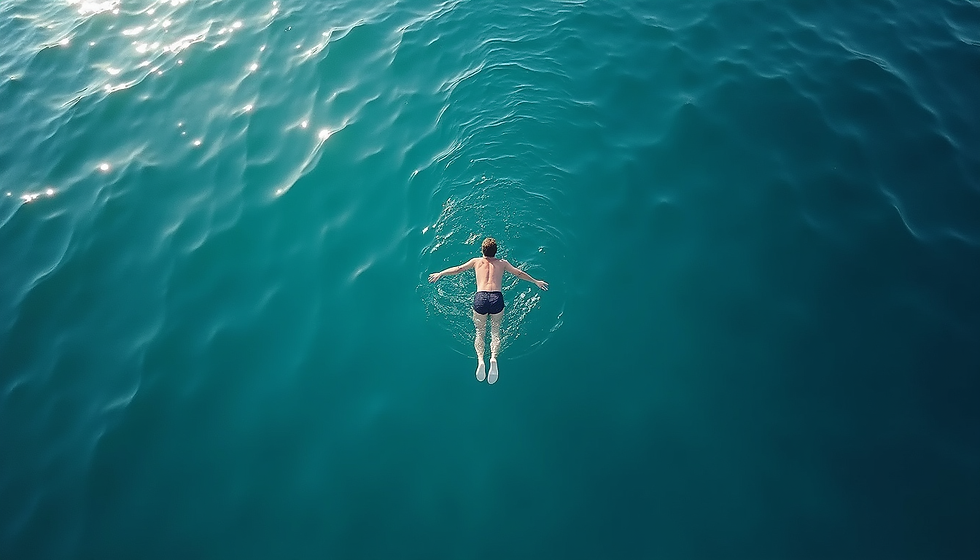
At 59, Michele made a decision that surprised many. She chose to compete at the 2022 Maccabiah Games, returning to the pool after more than four decades. This time, she wasn’t swimming for medals or records. She was swimming to heal.
Her return was a powerful statement about resilience and the human spirit. The pool that once gave her confidence and identity became a place to reclaim herself. It was a second chance to find belonging and purpose.
Michele’s story reminds us that sport can be a powerful tool for mental health and recovery. It offers structure, community, and a way to reconnect with our bodies and minds.
Lessons from Michele’s Journey
Michele Kupfer’s experience offers valuable insights for anyone facing setbacks or searching for resilience:
Find your place of belonging. Whether it’s a sport, hobby, or community, having a space where you feel accepted can build confidence and identity.
Allow yourself to grieve lost dreams. Acknowledge the pain of setbacks without letting it define your future.
Use physical activity as a tool for healing. Movement can support mental health and provide a sense of control.
Embrace second chances. Life may take unexpected turns, but it’s never too late to rediscover your passions.
Seek support when facing mental health challenges. Healing often requires reaching out and accepting help.
Michele’s story is a reminder that success is not always measured by medals or trophies. Sometimes, the greatest victories come from finding strength in adversity and returning to what grounds us.
For the full story of Michele Kupfer’s inspiring journey, be sure to read the 3rd edition of LiveThrive magazine - OUT in Early November.
If you or someone you know is struggling with mental health, consider reaching out to a professional or support group. Healing is possible, and you are not alone.


Comments