
Mastering Your Mind: Staying Calm During Deep Ocean Water Swims
Swimming in deep ocean water presents unique mental challenges that can overwhelm even experienced swimmers. The vastness of the open sea, unpredictable currents, and the absence of visible boundaries often trigger anxiety and fear. Learning to stay calm in these conditions is essential for safety, endurance, and enjoyment. This post explores practical strategies to help swimmers overcome mental barriers and maintain composure during deep ocean swims.
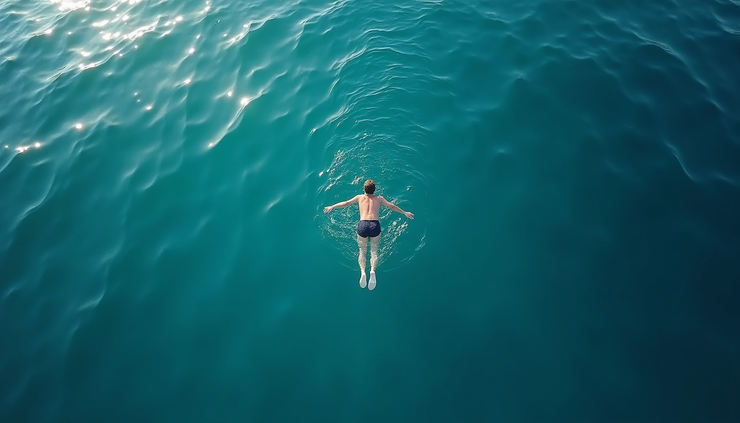
Understanding the Mental Challenges of Deep Ocean Swimming
Deep ocean swimming differs from pool or coastal swimming in several ways that affect the mind:
Lack of visual reference points: The endless water and horizon can create a sense of disorientation.
Fear of the unknown: Marine life, waves, and sudden changes in water conditions can trigger anxiety.
Isolation: Being far from shore or other swimmers can increase feelings of vulnerability.
Physical sensations: Cold water, saltiness, and fatigue can amplify mental stress.
Recognising these factors helps swimmers prepare mentally and avoid panic when faced with them.
Preparing Your Mind Before the Swim
Mental preparation begins well before entering the water. Here are key steps to build confidence:
Visualise success
Spend time imagining yourself swimming smoothly and calmly through the ocean. Picture handling waves and staying relaxed despite challenges.
Practice breathing techniques
Controlled breathing reduces anxiety and improves oxygen flow. Try slow, deep breaths or box breathing (inhale, hold, exhale, hold for equal counts).
Set realistic goals
Break the swim into manageable segments. Focus on reaching the next buoy or landmark rather than the entire distance.
Educate yourself about the environment
Learn about tides, currents, and local marine life. Understanding the ocean reduces fear of surprises.
Train in similar conditions
Whenever possible, practice in open water with waves and currents to build familiarity.
Staying Present and Focused During the Swim
Once in the water, staying calm depends on managing your thoughts and physical responses:
Focus on your stroke and breathing
Concentrate on smooth, rhythmic movements and steady breaths. This focus distracts from negative thoughts.
Use positive self-talk
Replace fear-driven thoughts with encouraging phrases like “I am strong,” or “I can handle this.”
Accept discomfort without resistance
Notice sensations like cold or fatigue without fighting them. Acceptance reduces panic.
Break the swim into sections
Mentally divide the swim into smaller parts. Celebrate each completed section to maintain motivation.
Keep sight of your support
If accompanied by a kayak or boat, use it as a visual anchor to reduce feelings of isolation.
Handling Unexpected Situations Calmly
The ocean can change suddenly. Here’s how to maintain calm when surprises occur:
Encountering waves or chop
Adjust your stroke to be shorter and more controlled. Breathe on the side away from waves to avoid swallowing water.
Feeling disoriented
Stop and float on your back briefly to regain orientation. Look for landmarks or your support craft.
Experiencing cramps or fatigue
Slow down your pace and focus on deep breathing. Stretch gently if possible while floating.
Seeing marine life
Remember most ocean creatures are not dangerous. Stay calm and continue swimming steadily.
Building Long-Term Mental Resilience
Mental calmness improves with experience and practice. Consider these habits:
Regular open water swims
Frequent exposure reduces fear and builds confidence.
Mindfulness and meditation
Practices that improve focus and stress management transfer well to ocean swimming.
Join a community
Swimming with others or sharing experiences helps normalize fears and provides support.
Track progress
Keep a journal of swims, noting challenges and how you overcame them. Celebrate improvements.
Safety Reminders
Staying calm is vital, but safety should always come first:
Never swim alone in deep ocean water.
Use a brightly colored swim buoy for visibility.
Inform someone onshore about your swim plan.
Know your limits and exit the water if you feel unsafe.


Comments