
Top Tips for Enjoying a Safe Swim in the Dead Sea
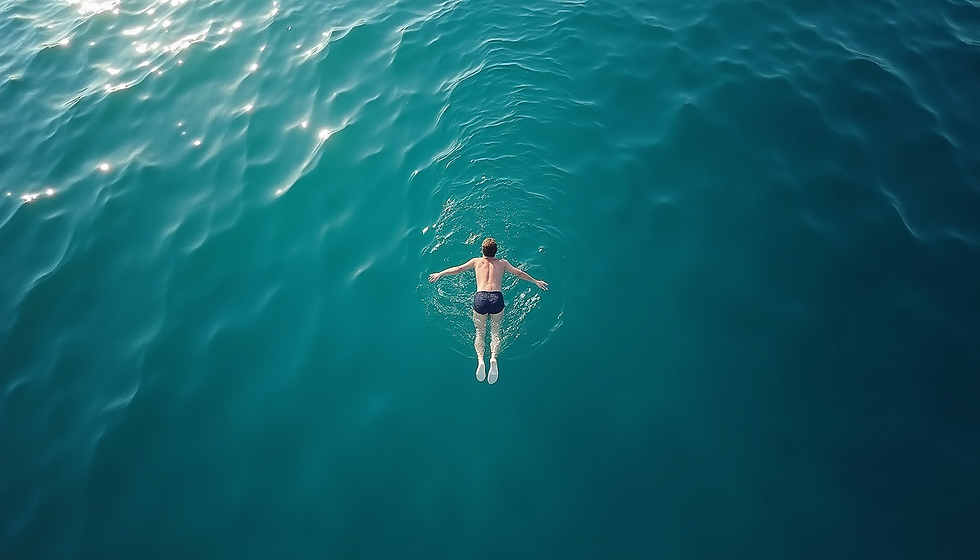
Swimming in the Dead Sea is a unique experience that attracts ocean swimmers from around the world. Its high salt concentration allows you to float effortlessly, creating a sensation unlike any other body of water. However, the Dead Sea’s extreme salinity and mineral content require special precautions to ensure a safe and enjoyable swim. This guide offers practical tips to help you make the most of your visit while protecting your health.

Understand the Unique Nature of the Dead Sea
The Dead Sea is not a typical swimming spot. It contains about 30% salt, nearly ten times saltier than the ocean. This high salinity creates buoyancy that makes floating easy but also means the water is harsh on your skin and eyes. The mineral-rich water has therapeutic benefits but can cause irritation if you are not careful.
Because of the salt concentration, you cannot dive or swim underwater like in regular seas. Instead, you float on the surface. This means you should avoid sudden movements that might splash water into your eyes or mouth.
Prepare Your Body Before Entering the Water
Before you get into the Dead Sea, it’s important to take some steps to protect your skin and body:
Avoid shaving or waxing at least 24 hours before swimming. Saltwater can sting open pores or small cuts.
Rinse off with fresh water before entering. This helps remove oils or lotions that might react with the salt.
Apply a thin layer of mineral oil or petroleum jelly on sensitive areas like your feet and hands to reduce dryness.
Wear water shoes to protect your feet from sharp salt crystals on the shore.
These precautions reduce discomfort and help you enjoy your swim longer.
Enter the Water Slowly and Carefully
The Dead Sea’s shoreline is often covered with sharp salt formations. Walk slowly and wear protective footwear to avoid cuts. When entering the water:
Step in gradually to let your body adjust to the temperature and salinity.
Avoid jumping or diving to prevent saltwater from splashing into your eyes or mouth.
Keep your head above water at all times to avoid irritation.
If you accidentally get water in your eyes, rinse them immediately with fresh water.
Limit Your Time in the Water
Because of the extreme salt content, prolonged exposure can dry out your skin and cause irritation. Most experts recommend staying in the water for no more than 30 minutes at a time. After swimming:
Rinse off thoroughly with fresh water to remove salt residue.
Apply a moisturizer to soothe your skin.
Drink plenty of water to stay hydrated.
If you have sensitive skin or any open wounds, reduce your time in the water even further or avoid swimming altogether.
Avoid Ingesting the Water
The Dead Sea water is not safe to swallow. Even a small amount can cause severe irritation to your mouth, throat, and stomach. To prevent accidental ingestion:
Do not splash or submerge your head.
Keep your mouth closed while floating.
Avoid swimming with children who might accidentally swallow water.
If you do swallow some water, drink plenty of fresh water and seek medical advice if you feel unwell.
Protect Your Eyes and Face
The salt and minerals in the Dead Sea can cause intense stinging if they come into contact with your eyes or face. To protect yourself:
Wear a special designed swim mask if you plan to get your face close to the water.

Avoid rubbing your eyes if saltwater gets in.
Rinse your face immediately with fresh water after leaving the sea.
If irritation persists, seek medical attention.
Follow Local Safety Guidelines
The Dead Sea area is monitored for safety, and local authorities provide guidelines to protect visitors. Pay attention to:
Posted signs about water conditions or restricted areas.
Lifeguard instructions if available.
Weather warnings, especially during hot or windy days.
Swimming in designated areas reduces risks and ensures help is nearby if needed.
Take Care After Your Swim
After enjoying the unique experience of floating in the Dead Sea, your body needs care to recover from the salt exposure:
Shower with fresh water as soon as possible.
Use gentle soap and moisturizing lotion to restore skin hydration.
Avoid sun exposure immediately after swimming, as salt can increase skin sensitivity.
Drink water to replenish fluids lost through sweating and salt exposure.
These steps help maintain your skin’s health and prolong the benefits of your swim.


Comments