
Impact of Large Scale Seawater Desalination in Israel and Its Effect on Coastal Waters
Israel leads the world in seawater desalination, turning the Mediterranean's salty water into fresh drinking water for millions. This achievement supports the country’s water needs, especially in dry seasons. Yet, pumping massive volumes of water back into the sea raises questions about the health of coastal waters and marine life. This post explores how Israel moves water from the Mediterranean to the Sea of Galilee (Lake Tiberias) and what this means for the environment along the coast.

How Israel Pumps Water from the Mediterranean to Lake Tiberias
Israel’s desalination plants are mostly located along the Mediterranean coast. These plants draw seawater, remove salt and impurities, and produce fresh water. The leftover brine, a highly concentrated salt solution, is returned to the sea. But the story does not end there.
The fresh water produced is pumped inland to supply cities, agriculture, and industry. One remarkable project involves moving water from the Mediterranean coast all the way to Lake Tiberias, Israel’s largest freshwater lake. This process includes:
Pumping stations: Powerful pumps push water uphill through pipelines crossing hills and valleys.
Long pipelines: The water travels over 100 kilometers from the coast to the lake.
Water treatment: Before reaching Lake Tiberias, water undergoes additional treatment to meet quality standards.
This system helps maintain water levels in Lake Tiberias, which is crucial for drinking water, irrigation, and tourism. The lake is a popular spot for swimming and boating, making water quality essential for visitors.
Effects of Pumping Large Volumes of Water Back into the Sea
Desalination produces brine that is denser and saltier than seawater. When released back into the Mediterranean, this brine can affect coastal waters in several ways:
Increased salinity near discharge points: The salty brine sinks to the sea floor, raising local salinity levels. This can harm marine plants and animals that are sensitive to salt changes.
Temperature changes: Brine is often warmer than the surrounding seawater, which may disrupt marine ecosystems.
Chemical additives: Some desalination processes use chemicals to prevent pipe fouling. These can enter the sea with the brine, potentially affecting marine life.
Israeli desalination plants use advanced methods to reduce environmental impact. For example, they mix brine with cooling water from power plants to dilute it before release. Monitoring programs track salinity and marine health near discharge sites to ensure minimal harm.
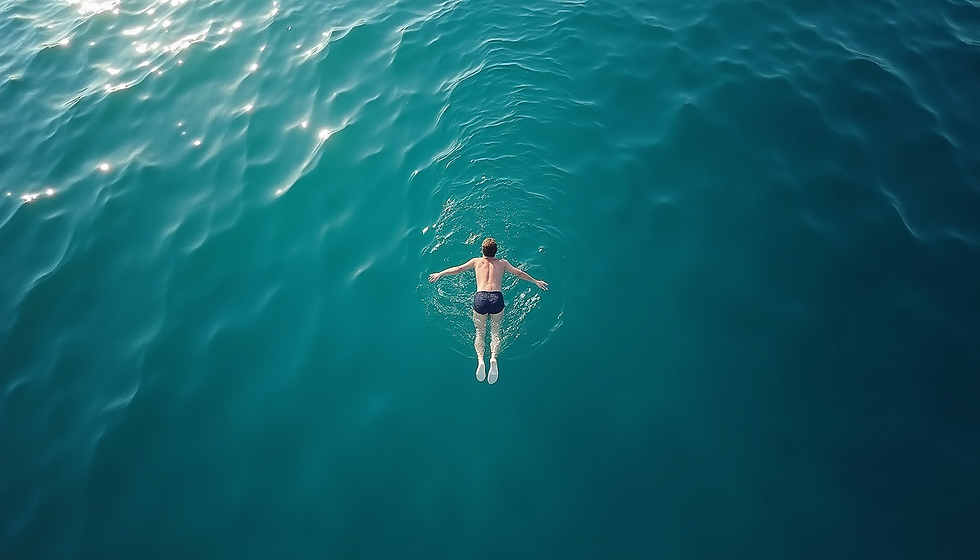
What This Means for Tourists Interested in Swimming the Seas
For tourists who love swimming in the Mediterranean or Lake Tiberias, water quality is a top concern. Here’s what to know:
Mediterranean coast: Areas near desalination plants may have slightly higher salinity and temperature in the water. However, these zones are usually limited and monitored closely. Most beaches remain safe and enjoyable for swimming.
Lake Tiberias: Thanks to careful water management, the lake maintains good water quality. Visitors can swim, boat, and relax without worrying about pollution from desalination efforts.
Environmental awareness: Tourists can help by respecting local guidelines, avoiding littering, and supporting sustainable tourism initiatives.
Balancing Water Needs and Environmental Health
Israel’s success in desalination shows how technology can address water scarcity. Still, balancing water supply with environmental protection requires ongoing effort:
Innovative technologies: New desalination methods aim to reduce brine volume and energy use.
Environmental monitoring: Regular checks on marine life and water quality help detect and address issues early.
Public education: Informing residents and visitors about water conservation and environmental impact supports long-term sustainability.
This balance ensures that Israel can provide fresh water while preserving the beauty and health of its coastal waters for swimmers and nature lovers.


Comments