
Preserving Eilat's Coral Reef Treasures Amidst Tourism and Development Challenges
The coral reef of Eilat, located at the northern tip of the Red Sea, ranks among the richest coral reef regions in the world. Its vibrant underwater ecosystems attract divers, snorkelers, and marine biologists from across the globe. Yet, this natural treasure faces growing threats from tourism and coastal development. Exploring the reef through swimming and direct interaction reveals both its beauty and the urgent need for preservation.
The Unique Richness of Eilat’s Coral Reef
Eilat’s coral reef is home to over 200 species of coral and hundreds of fish species, many of which are rare or endemic. The reef’s location in a warm, saline environment has allowed it to thrive despite harsh conditions that challenge coral growth elsewhere. This resilience makes Eilat a valuable site for scientific research on coral adaptation and climate change.
The reef’s diversity supports a complex food web, including colorful fish, sea turtles, and invertebrates. For visitors, swimming over the reef offers a chance to witness this underwater world up close, with coral formations ranging from delicate branching types to massive boulders.
Pressures from Tourism
Tourism is a double-edged sword for Eilat’s coral reef. On one hand, it brings economic benefits and raises awareness about marine conservation. On the other hand, the influx of visitors can cause physical damage to the reef and disrupt marine life.
Swimmers and snorkelers who touch or stand on corals can break fragile structures. Boat anchors dropped on the reef cause direct harm. Sunscreens containing harmful chemicals wash off swimmers and affect coral health. Overcrowding in popular spots increases stress on the ecosystem.
Local authorities and tour operators have introduced measures to reduce these impacts, such as designated swimming areas, mooring buoys to prevent anchoring on reefs, and education campaigns encouraging reef-friendly behavior. Still, balancing tourism growth with reef protection remains a challenge.
Impact of Coastal Development
Eilat’s rapid urban expansion and infrastructure projects put additional pressure on the reef. Construction near the shoreline can increase sediment runoff, which clouds the water and smothers corals. Pollution from sewage and industrial activities threatens water quality.
Land reclamation and marina development alter natural water flows and habitats. These changes can reduce the reef’s resilience to other stressors like rising sea temperatures. Environmental impact assessments are required for new projects, but enforcement and monitoring vary.
Swimming as a Way to Connect and Protect
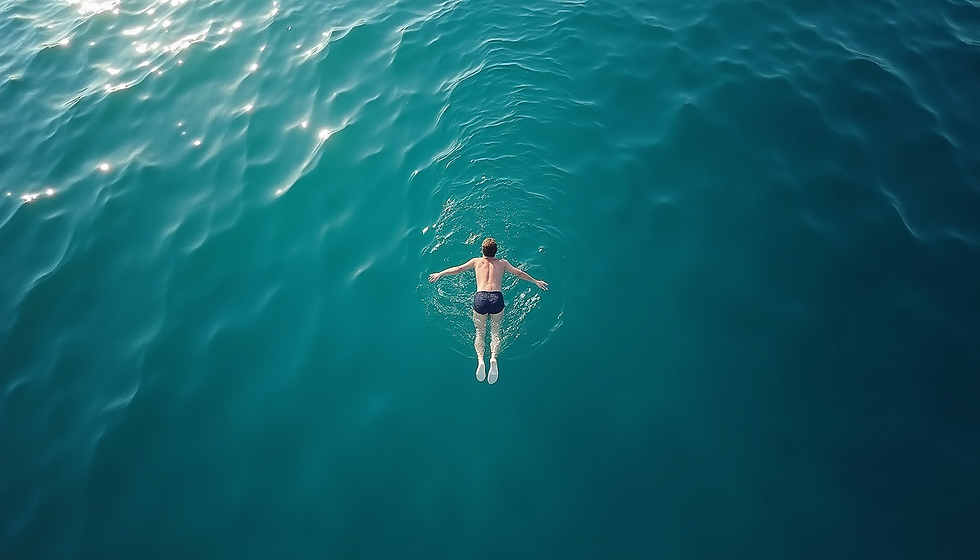
Swimming-based exploration of Eilat’s reef offers a unique perspective on its condition and challenges. Unlike boat tours, swimming allows close observation without heavy equipment or noise. It fosters a personal connection that motivates conservation.
Several organisations offer guided snorkeling and diving tours focused on education and minimal impact. Swimmers learn to avoid touching corals, use reef-safe sunscreens, and respect marine life. Citizen science programs invite visitors to record observations, helping track reef health over time.
Practical Steps for Visitors to Help Preserve the Reef
Visitors can play a vital role in protecting Eilat’s coral reef by following simple guidelines:
Use reef-safe sunscreen free of oxybenzone and octinoxate
Avoid touching or standing on corals
Do not feed or chase marine animals
Use mooring buoys instead of anchoring boats
Participate in guided tours that emphasize conservation
Dispose of trash properly and avoid plastic pollution
Support local conservation groups and initiatives
By adopting these practices, swimmers and snorkelers help reduce direct damage and support the reef’s long-term survival.

The Role of Research and Conservation Efforts
Scientists monitor Eilat’s reef to understand how it responds to environmental changes and human impacts. Research projects focus on coral bleaching, disease outbreaks, and recovery processes. Findings guide management decisions and restoration efforts.
Conservation groups work with local authorities to establish marine protected areas, regulate tourism, and restore damaged reef sections. Public awareness campaigns highlight the reef’s value and the need for sustainable practices.
Looking Ahead: Balancing Growth and Preservation
Eilat’s coral reef faces a crossroads. Tourism and development bring opportunities for economic growth and community benefits but also risk degrading the reef’s health. Sustainable planning and responsible visitor behavior are essential to maintain this natural wonder.
Investing in eco-friendly infrastructure, enforcing environmental regulations, and expanding marine protected zones can help mitigate impacts. Encouraging swimming-based exploration with education promotes respect and care for the reef.


Comments